






Learning Japanese Cuisine in Its Birthplace
A Kyoto cooking class teaches you to prepare Japanese dishes using traditional ingredients and techniques — in the city where many of these dishes and techniques originated. Classes range from beginner-friendly sessions (making sushi, gyoza, ramen, or bento boxes) to advanced kaiseki preparation, and from casual home-cooking formats to professional-kitchen experiences with chef instruction.
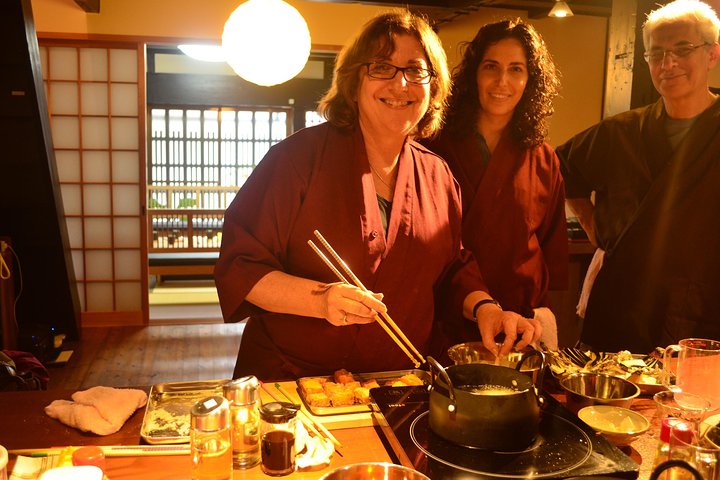
Kyoto cooking classes typically run 2–4 hours in a purpose-built cooking studio or a traditional machiya townhouse kitchen. You prepare 3–5 dishes under the chef’s guidance, then sit down to eat what you have made. The chef explains the principles — the importance of dashi (the foundational stock of Japanese cooking), the knife skills, the seasonal ingredient selection, the aesthetic of food presentation (moritsuke) — that underpin Japanese cuisine.
Common Class Formats
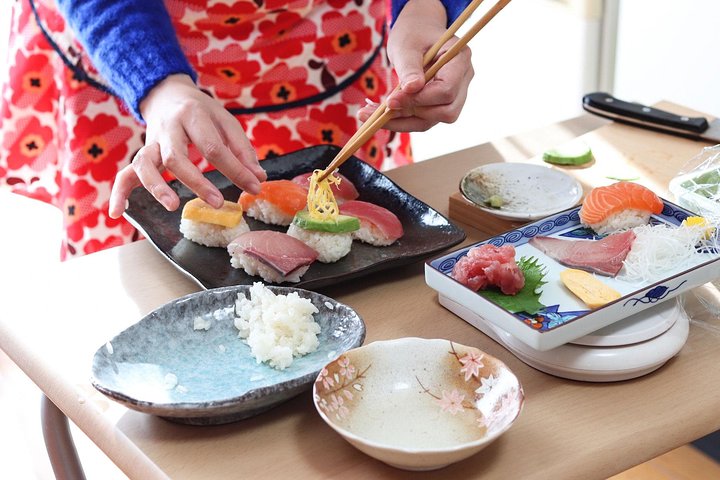
Sushi making — learning to prepare sushi rice, select and slice fish, and form nigiri and maki rolls. The most popular class format for visitors.
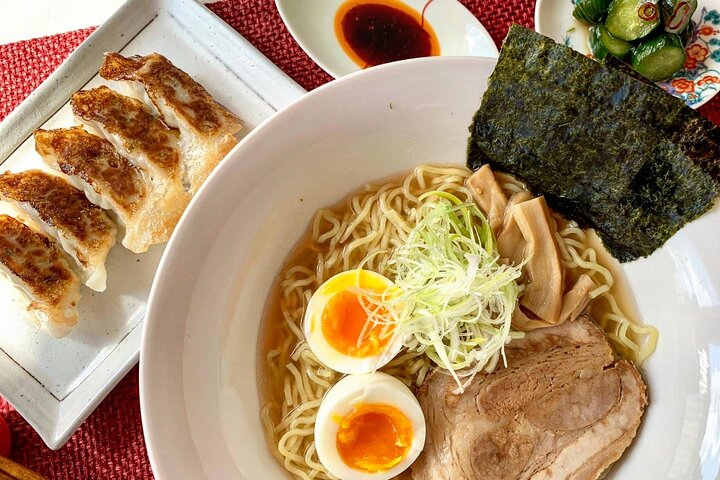
Ramen from scratch — making the noodles, the broth (tare and soup base), and the toppings. A hands-on, satisfying class that produces a complete bowl.
Bento box preparation — assembling a traditional Japanese lunch box with multiple small dishes, emphasising variety, colour, balance, and presentation.
Kaiseki introduction — preparing 3–5 courses in the kaiseki style with seasonal ingredients, emphasising the philosophy of Japanese haute cuisine. A more advanced format.
Home cooking (obanzai) — Kyoto’s everyday home-cooking tradition, with simple, seasonal dishes that Kyoto families prepare daily. The most culturally immersive format.
Frequently Asked Questions
Do I need cooking experience?
No. Beginner classes are the most common format and assume no prior knowledge of Japanese cooking. The chef provides step-by-step instruction.
How long is a Kyoto cooking class?
Typically 2–4 hours including preparation, cooking, and eating the meal.
Are classes available in English?
Yes. Most cooking classes marketed to visitors are conducted in English. Some offer bilingual instruction (Japanese and English). Confirm the language when booking.
Can children join a cooking class?
Many operators welcome children (typically aged 6+). Sushi and bento classes are the most child-friendly formats. Check the specific operator’s age policy.