




Seventeen UNESCO Sites in One City
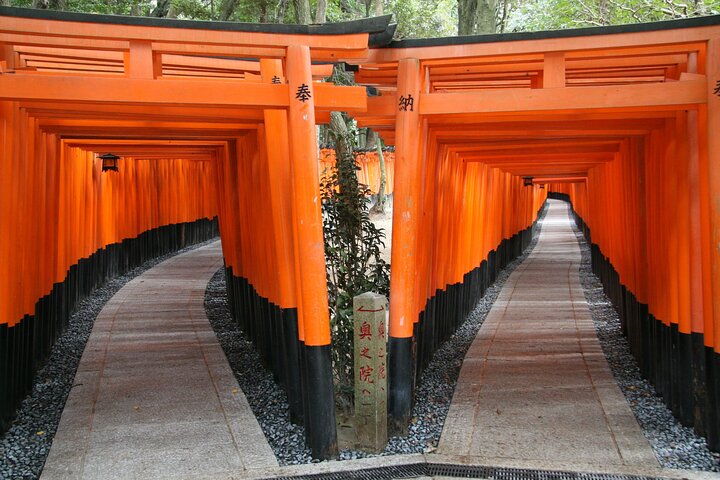
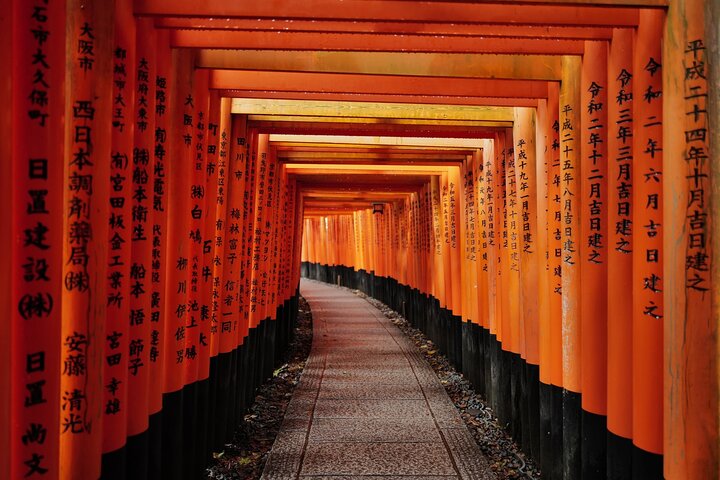
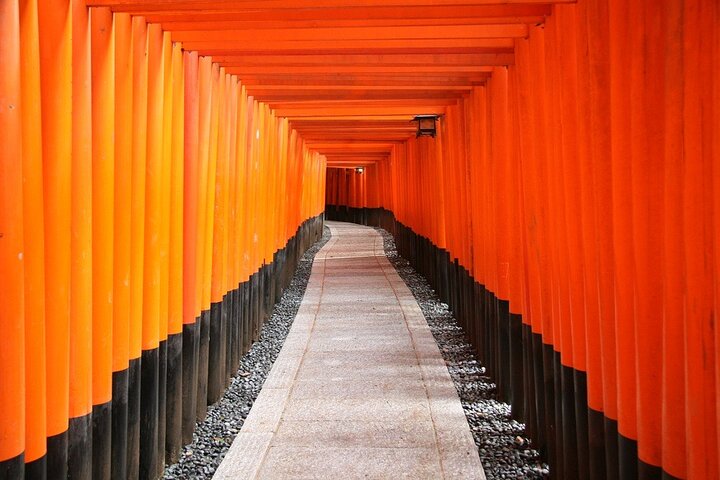
Kyoto contains 17 UNESCO World Heritage Sites — more than any other city in Japan and one of the highest concentrations in the world. The temples and shrines span every major period and denomination of Japanese religious architecture, from the austere Zen rock gardens of Ryoan-ji to the gilded extravagance of Kinkaku-ji, from the towering vermillion torii gates of Fushimi Inari to the serene moss gardens of Saiho-ji. A temple and shrine tour navigates this extraordinary density with a guide who explains the Buddhist and Shinto traditions, the architectural periods, the garden design philosophies, and the historical significance of each site.
Key Temples and Shrines
Kinkaku-ji (Golden Pavilion) — the gold-leaf-covered pavilion reflected in its mirror pond is Kyoto’s most iconic image. Originally a retirement villa for the shogun Ashikaga Yoshimitsu (1397), converted to a Zen temple after his death, burned down by a disturbed monk in 1950, and rebuilt in 1955.
Kiyomizu-dera — a hilltop temple founded in 778 with a dramatic wooden stage projecting over a steep hillside, supported by 139 pillars without a single nail. The view from the stage across the eastern Kyoto hills is one of the great Kyoto panoramas.
Ryoan-ji — famous for its rock garden (karesansui) — 15 rocks arranged on raked white gravel. The garden’s meaning has been debated for 500 years, and the guide’s discussion of Zen aesthetics and the concept of ma (negative space) is the intellectual highlight of most temple tours.
Ginkaku-ji (Silver Pavilion) — despite its name, never covered in silver. A modest, refined Muromachi-era villa with an exquisite moss garden and a sand garden shaped into a cone and raked platform.
Nanzen-ji — a major Zen temple complex notable for its massive sanmon gate, its sub-temples with painted screens, and the incongruous Roman-style brick aqueduct running through its grounds.
Frequently Asked Questions
How many temples should I visit in Kyoto?
Three to five temples per day is the comfortable maximum before temple fatigue sets in. Vary the styles — a Zen rock garden, a golden pavilion, a hillside temple, a shrine with torii gates — to keep each visit distinct.
What is the difference between a temple and a shrine?
Temples (tera/ji) are Buddhist. Shrines (jinja) are Shinto. Temples often have gates with fierce guardian figures and incense burners. Shrines have torii gates (typically vermillion) and shimenawa (sacred ropes). Both are places of worship and visitors are welcome at both.
Do I need to remove my shoes at temples?
At temples with interior viewing (tatami rooms, painted screens, gardens viewed from a veranda), yes — shoes are removed at the entrance. Outdoor viewing (Kinkaku-ji’s garden, Fushimi Inari’s gates) does not require shoe removal.